
You have not started a new diet, you are not eating dessert every night, and yet the jeans are tighter than they were in winter. It is one of the most frustrating feelings in weight management, and it usually has a simple explanation: a handful of small habits that crept in without you noticing. None of them looks like much on its own. Together, a few hundred extra kilojoules a day is enough to move the scale over a few months.
The quick answer
Slow, steady weight gain usually comes from small daily habits you do not notice, not one big mistake: bigger coffees and drinks, nibbling while cooking, eating in front of a screen, short sleep, weekend drinks, sitting more since a change in routine, and sometimes a medicine. The fix is to spot your one or two triggers (a 7-day diary works well) and make a simple swap for each. If the gain is fast, unexplained or comes with other symptoms, see your GP.
The 8 hidden triggers, at a glance
| Hidden trigger | How to spot it | The simple swap |
|---|---|---|
| 1. Your coffee got bigger | Large instead of regular, full cream, a syrup or two sugars | Regular size, lighter milk, no syrup |
| 2. Nibbling while you cook | Cheese, crackers or leftovers while dinner is on | Eat dinner on time; a glass of water while cooking |
| 3. Eating in front of a screen | Lunch at the desk, dinner on the couch | Plate up, sit at the table, screen off for 15 minutes |
| 4. Short sleep | Under 7 hours most nights, late scrolling | A fixed lights-out time, phone out of the bedroom |
| 5. Weekend and arvo drinks | Friday knock-offs, a few glasses on Saturday | Alcohol-free days, sparkling water between drinks |
| 6. Fewer steps than before | New job, working from home, car instead of the bus | A 10-minute walk after lunch and dinner |
| 7. Liquid kilojoules | Juice, smoothies, soft drink, sports drinks | Water, sparkling water, whole fruit |
| 8. A medicine or health change | Gain started after a new medicine or with other symptoms | Talk to your GP or pharmacist; never stop a medicine yourself |
1. Your coffee quietly got bigger
Coffee itself is almost kilojoule-free. What changes is the order: regular becomes large, skim becomes full cream, and a caramel syrup or a muffin joins the habit. Two of those a day add up quickly. You will notice it on your bank statement before you notice it on the scale. Our ranking of the best coffee orders for weight loss shows the lighter options, and if sugar is the issue, start with how to stop putting sugar in your coffee.
2. Nibbling while you cook
It does not feel like eating: a few crackers, a slice of cheese, a taste of the sauce, the kids’ leftover nuggets. But these “invisible” bites can add up to a small meal before dinner even reaches the table. It usually happens when dinner is late and you are genuinely hungry. The swap: keep dinner at a regular time, have a glass of water while you cook, and if you really need something, make it a planned snack such as a piece of fruit.
3. Eating in front of a screen
When your attention is on a screen, your brain keeps a poor record of what you ate. A review of studies in the American Journal of Clinical Nutrition (Robinson and colleagues, 2013) found that distracted eating was linked with eating more later in the day. The swap is simple and free: plate your food, sit at a table, and give the first 15 minutes of each meal to the meal.
4. Short sleep
When you sleep badly, the next day often brings bigger hunger and louder cravings, especially for sweet and starchy foods. The Sleep Health Foundation recommends 7 to 9 hours a night for most adults. If you are routinely getting less, sleep may be a bigger lever than any food change. A fixed lights-out time and charging your phone outside the bedroom are the easiest places to start. Late coffee can play a part too, which is why our guide to the best time to drink coffee for weight loss keeps caffeine to the morning and early arvo.
5. Weekend and arvo drinks
Alcohol carries plenty of kilojoules and tends to bring snacks along with it. The Australian guidelines recommend healthy adults drink no more than 10 standard drinks a week and no more than 4 on any one day, and less is better. Many people are surprised how a few Friday knock-offs plus a Saturday barbecue add up. Try two or three alcohol-free days a week and a glass of sparkling water between drinks.
6. Fewer steps than before
A new job, working from home or driving instead of catching the bus can quietly remove thousands of steps from your week. Your appetite does not get the memo, so the same meals now give you more energy than you use. Australia’s physical activity guidelines suggest 150 to 300 minutes of moderate activity a week plus muscle-strengthening on two days. Two 10-minute walks after lunch and dinner is an easy way to win some of it back.
7. Liquid kilojoules
Juice, smoothies, soft drinks, sports drinks and iced coffees do not fill you up the way food does, so the kilojoules slip in on top of your meals. Water is the drink the Australian Dietary Guidelines recommend most, and whole fruit beats juice because the fibre is still there. On hot days, our checklist for summer iced coffee helps you pick a lighter one.
8. A medicine or a health change
Some medicines, including certain antidepressants, steroids and some diabetes and blood pressure medicines, can make weight gain more likely. Hormonal changes such as menopause and conditions such as an underactive thyroid can too. Never stop or change a medicine on your own. Talk to your GP or pharmacist if the gain started after a new medicine, and see your GP promptly if it is fast or unexplained or comes with swelling, breathlessness or ongoing tiredness.
How to find your own triggers in 7 days
- Keep a simple diary.Write down everything you eat and drink for one week, including tastes, coffees and drinks. No counting needed, just honesty.
- Note sleep and steps.Bedtime, wake time and the step count from your phone.
- Circle the repeats.Look for patterns that show up three or more times: the large coffee, the 5 pm nibbles, the late nights.
- Pick one or two swaps.Not eight. One or two swaps you can keep for a month beat a complete overhaul you drop in a week.
If your trigger is the afternoon snack attack, read how to stop sugar cravings and our list of 10 easy Aussie healthy swaps. Many readers find that Akemi Coffee Boost in the morning coffee makes those swaps easier, because the fibre in the cup helps keep them fuller until lunch.
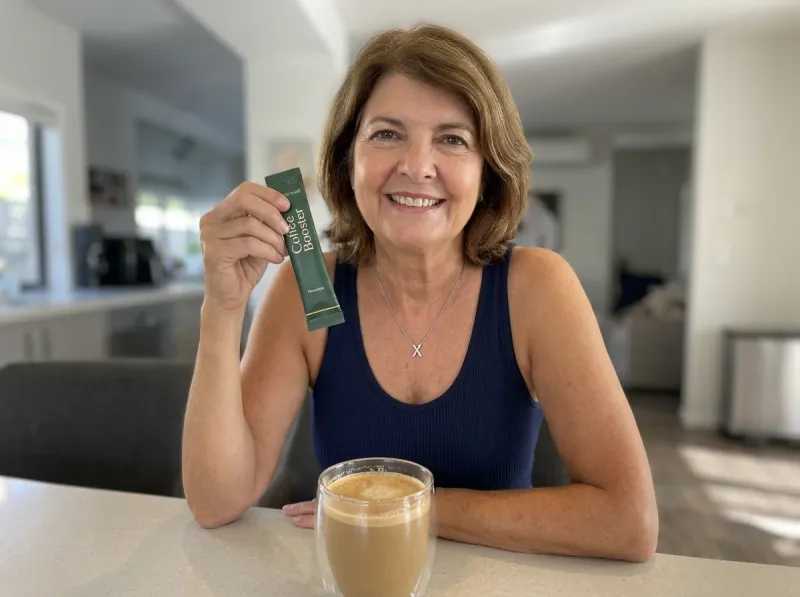
Our recommendation: Akemi Coffee Boost
Most hidden triggers come back to the same moments: the mid-morning hunger, the arvo slump and the pre-dinner nibbles. Akemi Coffee Boost is the option we recommend to make those moments easier. It turns the coffee you already drink into a source of fibre and plant extracts made exactly for cravings and fullness, with no new habit to remember.
- Fibre for fullness. Psyllium husk and resistant dextrin help you feel satisfied for longer between meals.
- Steadier blood sugar. White kidney bean and mulberry leaf support you after carb-heavy meals, so the arvo snack attack has less pull.
- Gentle energy. Green tea, green coffee bean and L-carnitine, with only about 30 mg of natural caffeine per sachet.
- Zero effort. Flavourless and odourless; it dissolves in a flat white, long black, instant coffee, tea or water.
On the official Australia & New Zealand order page: 1 box $29.99, 2 boxes $49.98 ($24.99 each) or 3 boxes $59.97 ($19.99 each, about a dollar a day). It is a one-off purchase with no subscription, shipping is calculated at checkout and every order has a 30-day money-back guarantee. Customers rate it 4.8/5 across 3,758 reviews.
This article is general information and does not replace advice from your GP. If you are pregnant, breastfeeding, taking medication or managing a health condition, talk to your GP before adding any supplement to your routine.
Frequently asked questions
Why am I gaining weight when I am not eating more?
Often you are eating or drinking a little more than you think, or moving a little less, without noticing: a bigger coffee, nibbles while cooking, an extra drink on the weekend, fewer steps since changing jobs. Short sleep and some medicines can also play a part. A one-week diary usually shows where the extra kilojoules come from.
Can lack of sleep make you gain weight?
Short sleep is linked with more hunger and stronger cravings the next day, and with a higher risk of weight gain over time. The Sleep Health Foundation recommends 7 to 9 hours a night for most adults.
Can medication cause weight gain?
Yes, some medicines can, including certain antidepressants, steroids and some diabetes and blood pressure medicines. Never stop or change a medicine on your own. If you think a medicine is affecting your weight, talk to your GP or pharmacist about your options.
When should I see a GP about weight gain?
See your GP if the gain is fast or unexplained, or comes with swelling in your legs or tummy, breathlessness, ongoing tiredness, feeling cold, changes to your periods or low mood. These can point to a health issue that needs checking, such as a thyroid problem.
How many standard drinks a week is the guideline in Australia?
The Australian guidelines to reduce health risks from drinking alcohol recommend no more than 10 standard drinks a week and no more than 4 on any one day for healthy adults. Fewer is better for health and for your weight.
Can Akemi Coffee Boost help with weight gain from snacking?
Akemi Coffee Boost is a flavourless coffee sachet with two fibres and plant extracts that support fullness and steadier energy, so the arvo snack attack has less pull. It works best alongside the simple swaps in this article.
Found your hidden trigger? Fix the swap first, then make your morning coffee pull its weight with a sachet of Akemi Coffee Boost.